Training for Sports in a Martian Colony
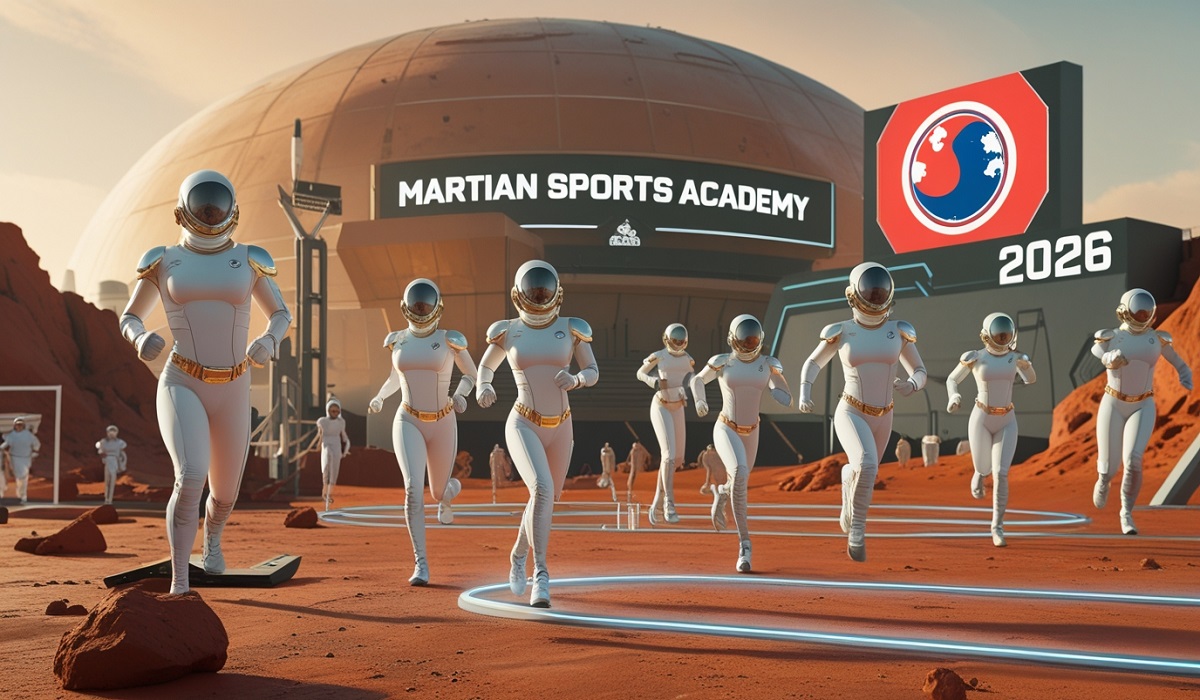
Training for Sports in a Martian Colony: Imagine lacing up your boots for a game of soccer under the rusty skies of Mars, where every leap feels like you’re defying physics itself. And training for sports in a Martian colony isn’t just about building endurance or honing skills.
It’s a whole new frontier where low gravity reshapes everything from how you run to how your body recovers. As we edge closer to establishing permanent settlements on the Red Planet, understanding these adaptations is crucial for future colonists who want to stay fit, competitive, and healthy.
With SpaceX’s recent shifts in priorities and NASA’s ongoing Mars exploration plans, 2026 marks a pivotal year. Elon Musk announced in February 2026 that while lunar missions take precedence, uncrewed Starship flights to Mars could still happen by year’s end.
Paving the way for human arrivals in the 2030s. This article dives into the nuts and bolts of preparing athletes for life—and play—on Mars, drawing on the latest insights to help you grasp what it might take.
Understanding Martian Gravity and Its Impact on the Human Body
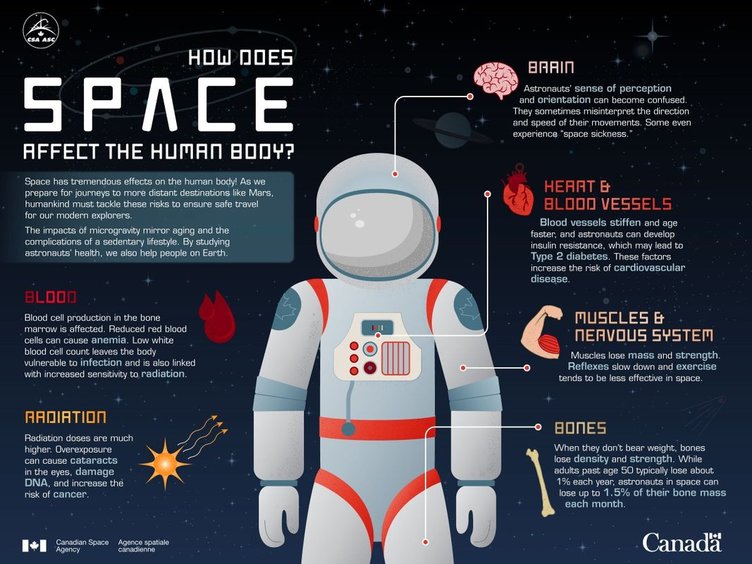
Mars’ gravity is about 38% of Earth’s, meaning a 200-pound athlete here would feel like they weigh just 76 pounds there. This might sound like a dream for jumping higher or running faster, but it comes with serious caveats. Without the constant pull we’re used to, muscles and bones don’t work as hard, leading to rapid deterioration.
How Low Gravity Affects Athletes
In low gravity, everyday movements become easier, but that ease is deceptive. Studies from the International Space Station (ISS) show that astronauts lose up to 1% of bone density per month in microgravity, and muscles atrophy at a similar rate. On Mars, with partial gravity, the effects might be less severe, but a 2021 NASA report suggests that even 0.38g isn’t enough to fully prevent these issues. For sports training, this means athletes could jump three times higher, but their bones might weaken over time, increasing fracture risks during intense plays.
Cardiovascular systems also take a hit. The heart doesn’t pump as hard against gravity, leading to reduced blood volume and potential insulin resistance, mimicking type 2 diabetes risks. Vision changes, like those seen in astronauts, could blur an athlete’s focus during a game. And let’s not forget the psychological toll—space sickness from disorientation might sideline players early on.
Latest 2026 Research on Partial Gravity
Fresh data from 2026 highlights progress. NASA’s Mars Future Plan, updated in February, emphasizes lower-cost missions to study human adaptation. A study published this year in Frontiers in Physiology tested rodents under Mars-like suspension and found that supplements like resveratrol help mitigate muscle loss. Meanwhile, SpaceX’s deprioritization of Mars for the Moon means more focus on lunar data, which at 0.16g offers insights into even lower gravity scenarios. These findings suggest that tailored training could offset about 70% of the negative effects, but long-term colonists might need genetic tweaks or artificial gravity habitats.
Current Space Fitness Programs as a Blueprint
We don’t have to start from scratch. Decades of ISS experience provide a roadmap for Martian sports training.
Lessons from the ISS in 2026
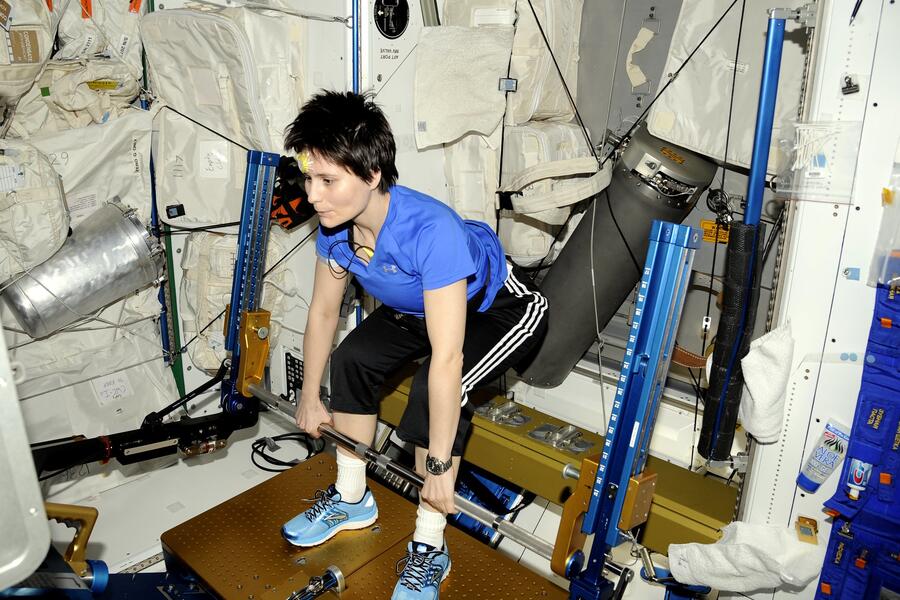
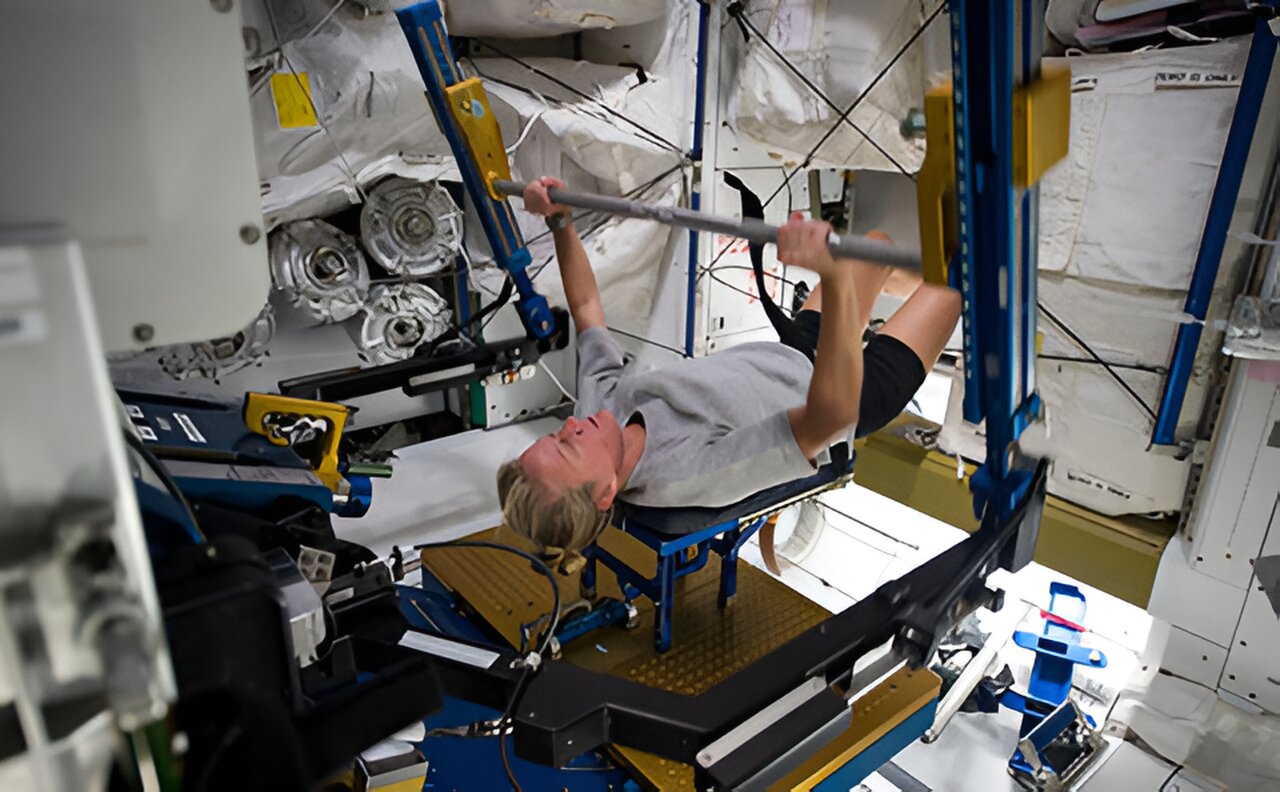
Astronauts on the ISS exercise two hours daily to combat microgravity’s effects. In 2026, the station’s Expedition 74 crew is testing the new European Enhanced Exploration Exercise Device (E4D), arriving in April, which combines resistance and cardio in a compact unit. Devices like the Advanced Resistive Exercise Device (ARED) mimic weightlifting, while treadmills with harnesses simulate running. These have reduced bone loss by up to 50% in recent missions.
For Martian colonies, scaling this up means domed gyms with adjustable gravity simulators. A 2026 Houston Public Media report notes that returning to the Moon is prep for Mars, where similar routines will be essential.
Advanced Exercise Devices
Anti-gravity treadmills, like those used on Earth for rehab, could be key. A University of Colorado study found they reduce joint impact by 44% at 50% body weight, ideal for Mars’ lower load. In space, these might be adapted with vacuum resistance to build strength. CES 2026 showcased suits like Hercules, derived from astronaut tech, that monitor and stimulate muscles in low g. Colonists could wear them during training to prevent atrophy.
Adapting Earth Sports to Mars
Sports won’t look the same on Mars. Low gravity opens doors to epic plays but demands new rules.
Basketball in Low Gravity
Dunks could soar 10 feet high, but controlling the ball might be tricky with less downward force. Rules might include higher hoops or weighted balls. A speculative 2026 YouTube analysis envisions “Mars Ball” with anti-grav zones for added fun.
Soccer on the Red Planet
Kicks could travel 200 yards, as noted in a Super Bowl on Mars simulation. Fields might be larger, played in pressurized domes to avoid thin atmosphere issues. Tackles would feel softer, reducing injuries, but stamina training focuses on endurance in low oxygen.
New Martian Sports Ideas
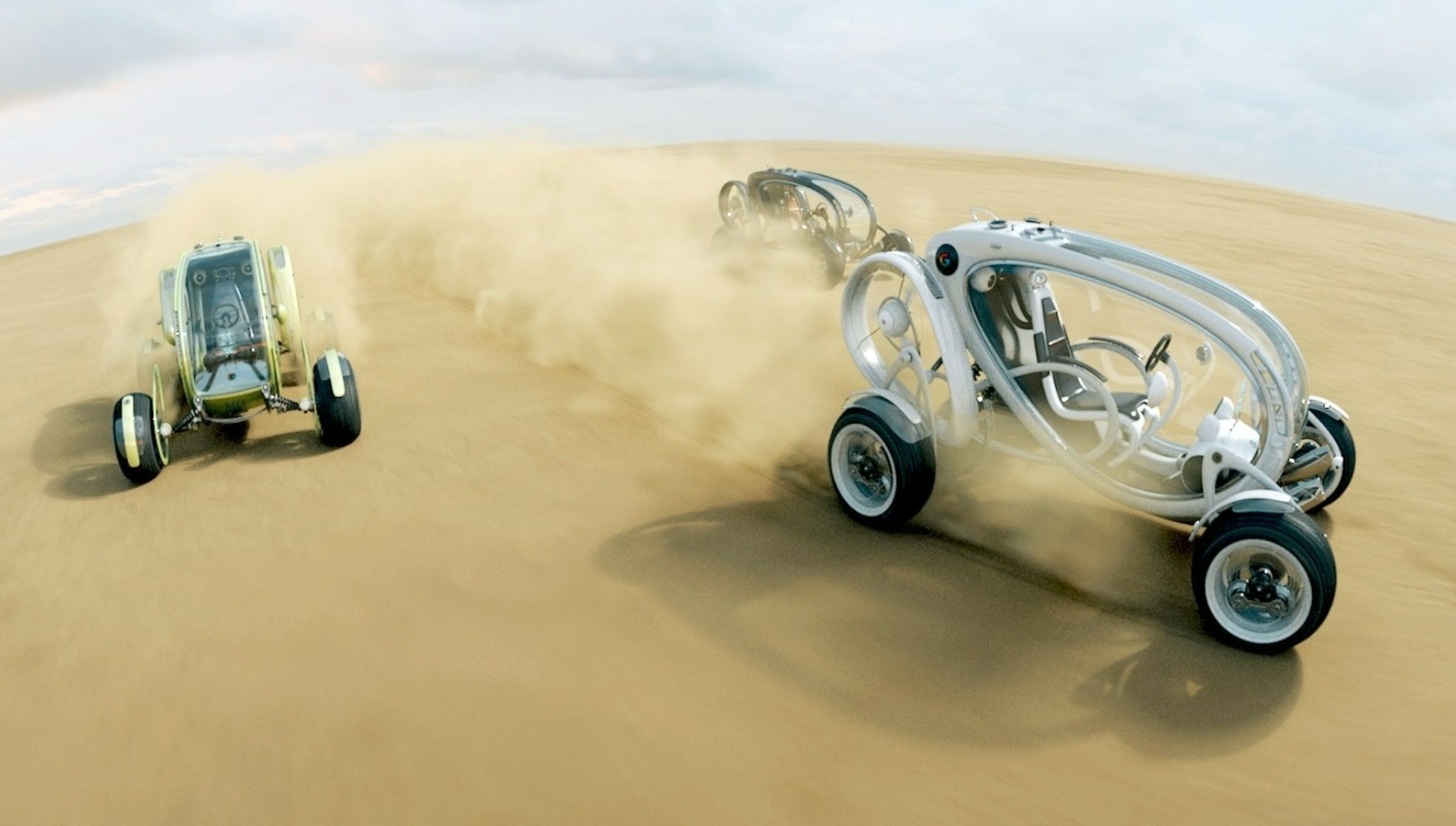
Think zero-g soccer in cubes or dune racing with electric buggies. A 2026 Scribd document outlines “summit,” a bouncing climb sport leveraging low g. Winter Olympics on icy moons could inspire Mars versions, like skating in domed rinks.
Training Regimens for Martian Athletes
Building a program starts with resistance to counter atrophy.
Resistance Training in Low G
Use ARED-like machines for squats and pulls. A 2022 review shows they preserve muscle function. Incorporate jumping drills—Johns Hopkins research from 2025 suggests they help bones in partial g. Aim for 3-4 sessions weekly, focusing on compound movements.
Cardiovascular Workouts
Treadmills with body weight support maintain heart health. Cadence drops in low g, so adjust paces. Cycle ergometers at varying tilts simulate Mars loads. Include HIIT to boost VO2 max.
Nutrition and Recovery
High-protein diets combat muscle loss, with calcium for bones. Recovery involves sleep pods and massage in low g. Psychological training, like mindfulness, addresses isolation.
Health Risks and Mitigation
Beyond physical, Mars poses radiation and microbial risks.
Bone Density and Muscle Atrophy
Mitigate with drugs like bisphosphonates and exercise. A 2026 study warns partial g isn’t sufficient alone.
Psychological Aspects
Team sports build morale. Virtual reality Earth simulations help.
Future Prospects: Mars Missions in 2026
SpaceX plans five uncrewed Starships in 2026, carrying robots for site prep. NASA’s reimagined program focuses on science for human missions. By 2030, colonies could host sports leagues, boosting tourism.
To boost SEO, incorporate internal links to articles like “Lunar Fitness Tips” and external to NASA’s Mars page or SpaceX updates.
FAQs
What is the biggest challenge in training for sports in a Martian colony?
Low gravity causes muscle and bone loss, requiring daily resistance workouts to maintain strength.
How might basketball change on Mars?
Players could jump much higher, leading to new rules like taller hoops or zone defenses to handle extended air time.
Can Earth athletes compete on Mars without adaptation?
Not immediately—they’d need months of acclimation to avoid injuries from altered biomechanics.
What new sports might emerge in Martian colonies?
Activities like low-g climbing or drone racing could become popular, taking advantage of the environment.
How does 2026 data influence Mars sports planning?
With uncrewed missions launching, we’re gathering real data on habitats, informing training protocols for future athletes.
In conclusion, training for sports in a Martian colony blends cutting-edge science with human ingenuity. As we look to 2026’s milestones, the dream of Red Planet games inches closer. Ready to dive deeper into space exploration? Subscribe to our newsletter for exclusive updates and tips on futuristic fitness—your journey to the stars starts here!