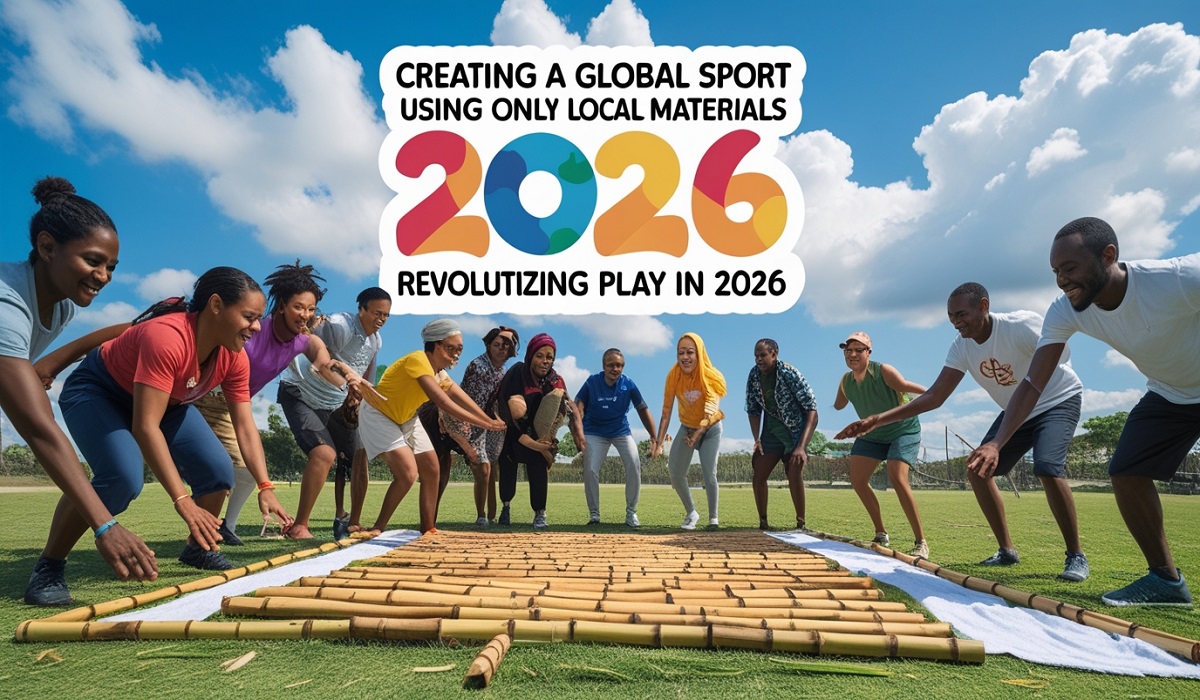
Creating a Global Sport Using Only Local Materials
Creating a Global Sport Using Only Local Materials: Imagine turning everyday items from your backyard or community waste into the foundation of a worldwide phenomenon. The creating a global sport using only local materials isn’t just a creative exercise—it’s a timely response to the growing demand for sustainable, accessible activities that bring people together.
In 2026, with the global sports industry valued at a staggering $2.3 trillion and facing potential losses of up to $1.6 trillion by 2050 due to climate change and inactivity, innovative approaches like this are more crucial than ever. This guide walks you through the process, drawing on fresh insights from this year’s trends, to help you craft something that’s fun, eco-friendly, and primed for viral success.
As someone who’s spent years crafting content that bridges creativity and search visibility, I’ve seen how niche ideas like sustainable sports invention can explode online. Let’s dive in and explore how you can make your mark.
Why Local Materials Matter in Sports Innovation Today?
In 2026, sustainability is at the forefront of sports trends. According to Deloitte’s Global Sports Industry Outlook, the sector is embracing eco-conscious practices amid converging media, AI, and entertainment landscapes.
Women’s sports, for instance, are projected to expand their fanbase to over 800 million by 2030, with a focus on inclusive, low-impact activities. But traditional sports equipment often contributes to environmental harm—think of the 100,000 tonnes of sporting goods sent to UK landfills annually, equivalent to 950 shirts per minute.
Using local materials flips the script. It reduces carbon footprints by minimizing manufacturing and shipping emissions, which account for a significant portion of the industry’s 400-450 million tonnes of annual CO2e.
Plus, it makes sports accessible in underserved areas, aligning with global pushes like the Milano Cortina 2026 Olympics, which emphasize venue reuse and 100% renewable energy. Whether you’re in a rural village or an urban hub, local resources like recycled plastics, natural fibers, or even household scraps can spark a movement.

The Benefits of Creating Sustainable Sports with Local Resources
Launching a sport built on local materials offers multifaceted advantages. Environmentally, it combats the sports sector’s waste problem—events like the 2026 FIFA World Cup could generate up to 9 million tonnes of emissions if unchecked. Economically, it lowers barriers; no need for expensive imports when you can use bamboo for bats or old tires for goals.
Socially, these inventions foster community. Take indigenous examples: Native American tribes crafted balls from buckskin and seeds, promoting cultural ties. In 2026, with esports valued at $5.18 billion by 2029, blending physical play with local twists can attract hybrid audiences. Health benefits abound too—amid rising inactivity risks costing the industry $517 billion by 2030, accessible sports encourage movement.
From a business angle, innovative sports like Teqball (a soccer-volleyball hybrid) have gone global by starting simple. Yours could follow suit, especially with trends like sports tourism hitting $672 billion in 2025.
Step-by-Step: Brainstorming Your Eco-Friendly Sport Idea
Start with inspiration. What local challenges or resources spark joy? In regions with abundant plastic waste, like many developing areas, repurpose bags into balls—as seen in community projects where kids craft soccer spheres from grocery sacks.
Consider your audience. With women’s sports growing at double-digit rates, design inclusive rules. Brainstorm hybrids: combine tag with local flora, like using vines for obstacles in a forest chase game.
Key questions:
- What’s the objective? Scoring points, teamwork, or endurance?
- How many players? Team-based for global appeal.
- Unique twist? Incorporate cultural elements, like Yahgan albatross-web balls.
In 2026, AI tools can help simulate ideas, but keep it human-centered for authenticity.
Sourcing and Crafting Equipment from Local Materials
The magic lies in what’s around you. Recycled polyester and bio-based yarns dominate sustainable apparel, reducing energy use while maintaining durability. For your sport, scout:
- Natural fibers: Bamboo for rackets or coconut husks for pads.
- Waste items: Plastic bottles for goals, old ropes for nets.
- Indigenous options: Seal stomachs for balls in coastal areas.
DIY tips: Wrap plastic bags with string for a bouncy ball—durable and zero-cost. Michelin’s 2026 tires use 50% sustainable materials; apply similar thinking to gear.
Table of Common Local Materials:
| Material | Source | Use in Sports Equipment | Eco-Benefit |
|---|---|---|---|
| Plastic Bags | Household Waste | Balls, Padding | Reduces Landfill Waste |
| Bamboo | Local Forests | Bats, Poles | Renewable, Fast-Growing |
| Recycled Rubber | Old Tires | Field Markers, Shoes | Lowers Carbon Emissions |
| Natural Fibers | Plants/Weeds | Nets, Ropes | Biodegradable |

Developing Rules for Your Global Sport Creation
Rules make or break adoption. Start simple: Define winning, penalties, and safety. For example, limit contact to suit all ages, echoing 2026 trends in health-focused sports.
Incorporate local flavor—time limits based on seasons or terrain rules. Test iterations: Bossaball refined from 8 to 5 moves per possession. Aim for accessibility; no fancy tech needed.
Protect your idea: Name it uniquely, document rules, and consider copyrights.
Testing and Refining Your Sustainable Sport Invention
Gather friends for playtests. Adjust based on feedback—does it flow? Is it fun? In 2026, with pickleball surging among seniors, ensure inclusivity.
Measure impact: Track enjoyment and eco-savings. Refine until ready for wider trials, like community events.
Real-World Examples of Sports Using Local Materials
History abounds with ingenuity. Mayan pok-a-tok used rubber balls on stone courts. Modern takes: Plastic bag soccer in developing regions promotes recycling. Crossnet, a four-square volleyball hybrid, started backyard-style and boomed.
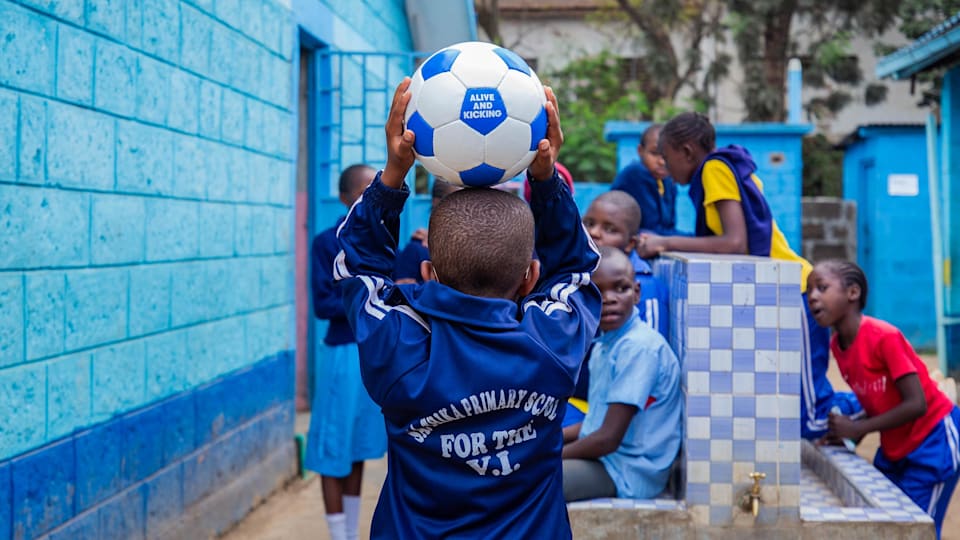
In 2026, initiatives like Alive and Kicking in Kenya craft balls from local leather, boosting economies.
Addressing the Environmental Impact Through Local Sports
Sports generate massive waste—NFL stadiums produce 30,000-50,000 pounds per event. Your creation counters this by reusing materials, cutting the 350 million tonnes of CO2e from football alone.
Align with 2026 goals: UNEP’s resolution pushes sustainable events. Local focus reduces transport emissions, vital as only 10 countries may host Winter Olympics by 2040.
Promoting Your New Sport for Global Reach
Spread via social media—leverage X for real-time buzz. Host demos, partner with orgs like PeacePlayers for equity focus. In 2026, with direct-to-consumer broadcasting mainstream, stream games.
Build leagues; aim for inclusion in events like the 2026 World Cup’s cultural sidelines.
FAQs: Answering Your Questions on Creating Sports with Local Materials
How do I ensure my sport using local materials is safe?
Prioritize testing with soft materials and simple rules. Consult local experts for hazard checks.
What are the best local materials for beginner sports equipment?
Start with recyclables like bottles and fabrics—easy, free, and eco-friendly.
Can a sport created with local resources go global in 2026?
Absolutely—trends favor sustainability. Promote online for viral growth.
How does creating such a sport help the environment?
It reduces waste and emissions, aligning with 2026’s push for circular economies in sports.
What’s the cost to start inventing a sport?
Minimal—use what’s available. Focus on creativity over cash.
Final Thoughts: Take Action and Build Your Legacy
Creating a global sport using only local materials is more than a hobby—it’s a way to inspire change in 2026’s evolving landscape. With the industry embracing AI, women’s growth, and sustainability, your idea could unite communities while protecting the planet. Ready to play? Grab those local scraps, rally your crew, and start prototyping today. Share your creations in the comments or on social media—we’d love to feature them!