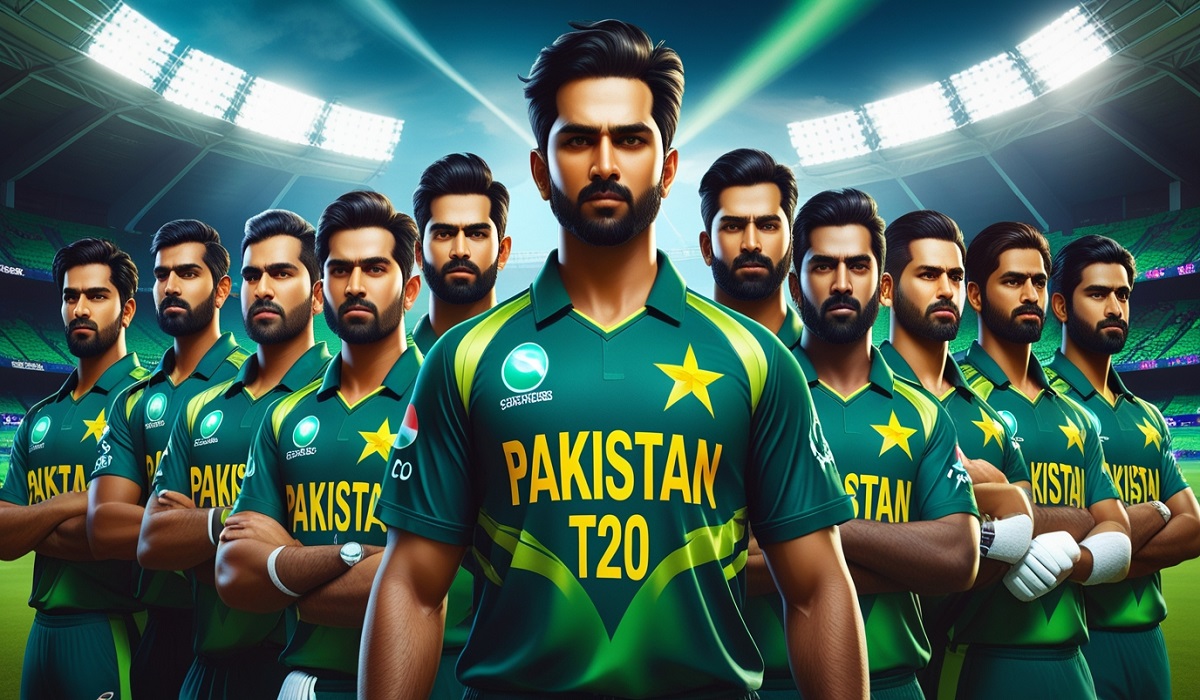
Why Cricket Needs Passion
Why Cricket Needs Passion: The game of cricket is more than just players, bats, and balls. It’s powered by the heartbeats of millions of fans around the world. Recently, a passionate statement has challenged the sport’s leaders. The core idea is simple: the ICC, cricket’s governing body, seems to think the sport runs only on its official rules. But the real truth is that cricket is actually governed by its fans.
The Heart of the Game: Fans Over Rulebooks
Cricket isn’t a machine that you can operate with a manual. Its energy, its excitement, and its very soul come from the people who watch and love it. Think of empty stadiums or silent TV broadcasts—without fans, the sport loses its magic. The argument is clear: if the fans are unhappy, the entire sport suffers. The rules are important for fair play, but they should never crush the spirit that makes cricket special.
A Question of Pride and Participation
At the center of this debate is the Pakistan cricket team and its place in a major World Cup. The strong feeling is that a team should be able to play with its head held high, with dignity. The message is powerful: “If we cannot play with our own will and dignity, then you can keep your tournament.” It states that principles and self-respect are more valuable than winning points on a scoreboard. No team should have to trade its honor for a spot in a competition.
The Commercial Reality: No Pakistan, Big Problem
This isn’t just about feelings; it’s also about hard business facts. The statement warns the ICC about “selective participation,” meaning a team setting certain conditions to play. The reply is a bold one: a World Cup might not have its full “commercial value” without Pakistan.
Broadcasters who paid billions for TV rights should be worried. The most exciting matches that everyone tunes in for might not even happen. The point is, if a major team like Pakistan is missing, the financial success of the whole event is at risk.
A Clear Choice: Your Tournament, Our Principles
In the end, the position is straightforward. It presents a choice. If the conditions for fair and respectful participation are not met, then there is a clear split. The message to the ICC is: “You keep your ‘World Cup’ to yourself, we keep our ‘principles’ to ourselves.” This isn’t a bluff; it’s a stand for what is believed to be right. It suggests that a tournament missing this passion and principle might have rules, but it will lack the true madness and excitement that fans bring.
(Conclusion)
This debate highlights a major clash in modern sports. On one side are the official rules and contracts. On the other is the raw passion of nations and their fans. Cricket stands at a crossroads where it must decide what is more important: rigid control or the fiery spirit that made it popular in the first place. The final score isn’t always about runs and wickets; sometimes, it’s about remembering who the game is truly for. The future of cricket depends on balancing the rulebook with the undeniable power of its global fanbase.