Pakistan’s T20 Middle-Order Concerns Cast a Shadow Ahead of World Cup
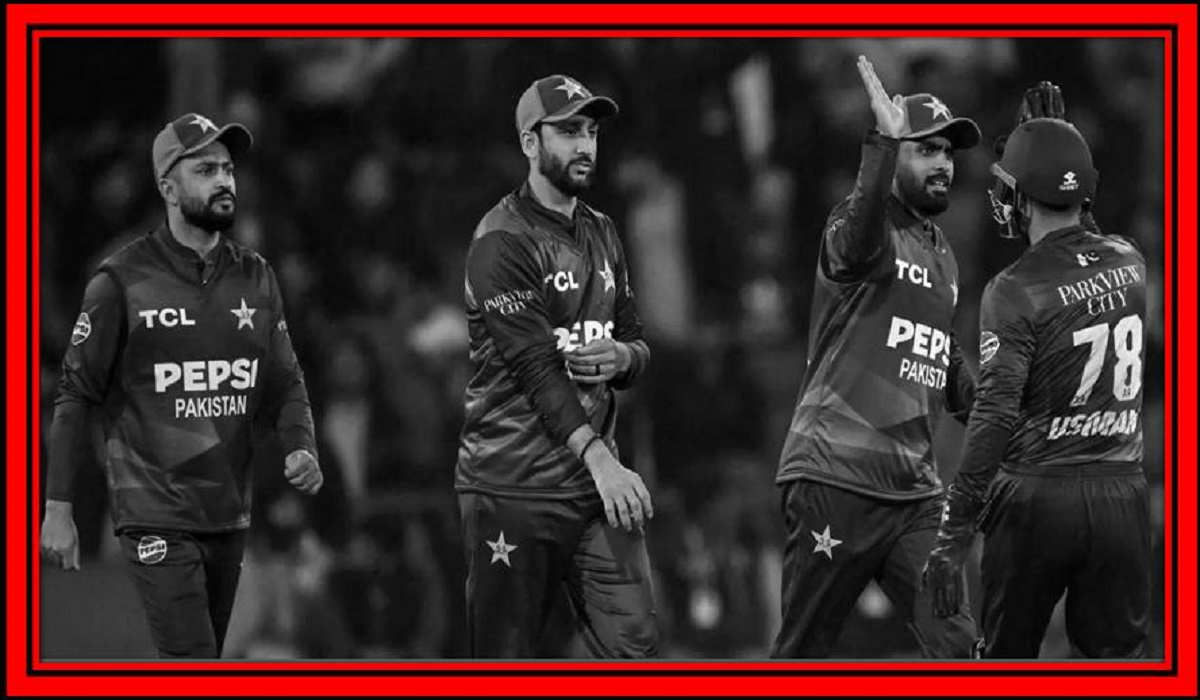
Pakistan’s T20 Middle-Order Concerns Cast a Shadow Ahead of World Cup: Pakistan secured a victory in their first T20 match against a weakened Australian side, but the performance revealed persistent issues that could hinder their upcoming World Cup campaign.
A Winning Start, But Familiar Flaws Emerge
Despite a 22-run win in Lahore, Pakistan’s batting lineup struggled to build a dominant total, finishing at 168-8. While the score was sufficient against an experimental Australian bowling attack featuring two debutants, it highlighted a recurring problem: a fragile middle order.
The Statistical Struggle: A Global Weakness
Recent data exposes a significant weakness in Pakistan’s T20 strategy. Since the last T20 World Cup, the combined performance of their batters at positions four through seven ranks among the worst in international cricket. Their low average and sluggish scoring rate in these crucial middle overs are a major concern.
Top-Order Reliance: A Batting Lineup Out of Position
A key factor is the composition of the squad. Pakistan’s selected specialist batters, including the wicketkeepers, have built their careers primarily in the top three batting positions. The modern T20 concept of a “fluid” batting order only works with players adaptable to different game phases—a flexibility Pakistan’s current middle order seems to lack.
A Silver Lining: Stability at Number Three?
Captain Salman Ali Agha provided a positive takeaway. Batting at number three, he scored a steady 39 runs off 27 balls, helping to stabilize the innings after an early wicket. This experiment may offer a solution, solidifying the top order with Salman in that role for the World Cup.
The Momentum Stall: When the Run Rate Slows
After a strong start from openers like Saim Ayub, Pakistan’s innings lost momentum. The arrival of experienced batters Babar Azam and Fakhar Zaman, both searching for form, coincided with a dramatic slowdown. The run rate fell consistently for several overs, preventing Pakistan from reaching the projected 190+ total.
The Finishing Failure: A Missing Final Punch
The designated power-hitters and finishers failed to deliver at the death. In the final five overs, Pakistan could only add 31 runs, managing just one six and one four in the last two overs. This inability to accelerate at the end left runs on the field, which stronger opponents will punish.
Conclusion: A Wake-Up Call Before the World Stage
While the win is welcome, it serves as a critical warning. Pakistan’s bowling and top order can secure victories, but a malfunctioning middle order and lack of a powerful finish are glaring vulnerabilities. To be genuine contenders at the T20 World Cup, they must urgently find solutions to dew-proof their totals by empowering their middle and lower order to bat smarter and with more aggression.
Frequently Asked Questions (FAQs)
1. What is Pakistan’s main batting problem identified after the first T20 against Australia?
The core issue is a chronically underperforming middle order (batters 4 through 7). Statistics show they have one of the worst averages and scoring rates in world cricket during this phase, which consistently stalls the team’s momentum and limits their final totals.
2. Why is having specialist top-order batters in the middle a problem?
Most of Pakistan’s selected batters are accustomed to building an innings from the start. The middle overs in T20s require a different skillset: accelerating immediately, targeting specific bowlers, and managing risk. Players used only to top-order roles often struggle to adapt to this high-pressure phase.
3. Did anything positive come from the batting performance?
Yes. Captain Salman Ali Agha’s knock at number three was a success, providing stability and suggesting a reliable option to lock down the top three. Additionally, Saim Ayub’s quickfire 40 at the top was a promising return to form. However, these positives were overshadowed by the middle-order collapse.