Sportsmanship Vs Gamesmanship
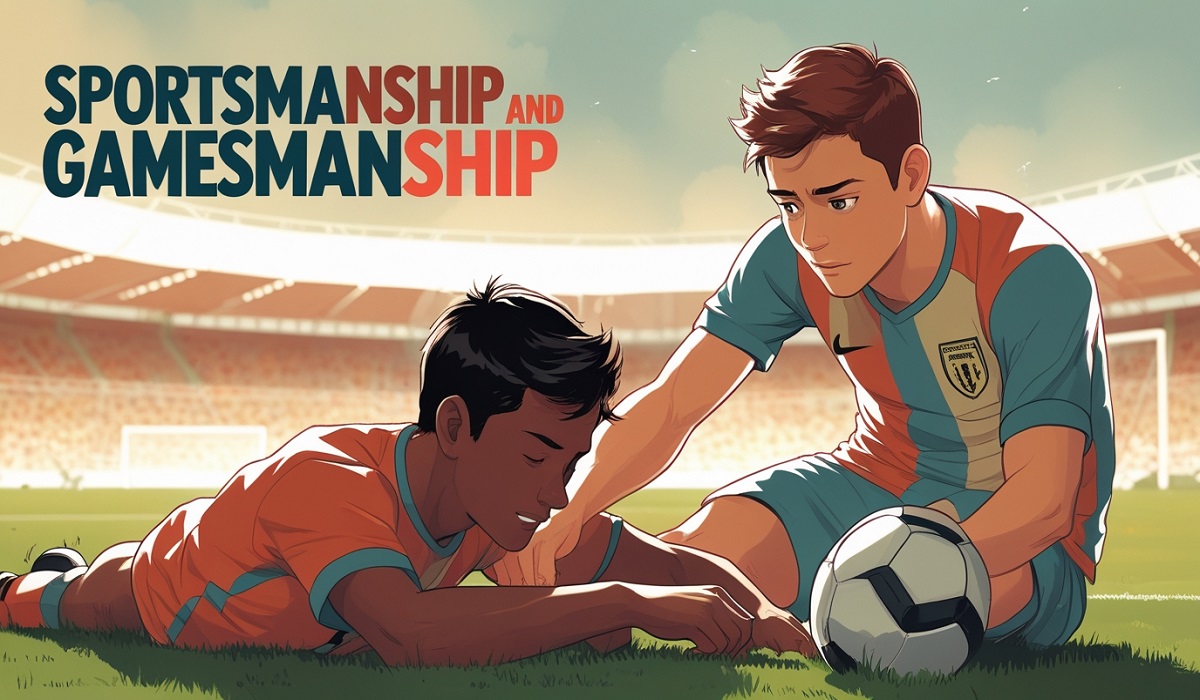
Sportsmanship Vs Gamesmanship: Think about the last game you played or watched. Maybe it was a school soccer match or a video game online. Two players can both want to win very much, but they can go about it in very different ways. One player might help an opponent who has fallen down. Another player might pretend to be hurt to stop the game clock. Both actions try to change the score, but they feel completely different.
This difference is at the heart of a big discussion in sports and gaming. We are talking about the concept of Sportsmanship Vs Gamesmanship. This idea is not old; it is fresh and important for anyone who plays anything, from board games to professional leagues. This article looks at the concept of “sportsmanship” versus gamesmanship in a new light, focusing on why how you win matters just as much as winning itself.
Defining the Core Terms: What Do Sportsmanship and Gamesmanship Really Mean?
To understand the debate, we need clear definitions. Sportsmanship is the fair and generous behavior people expect from someone in a sporting contest. It is about respect, integrity, and fairness. A sporting person follows the rules in their spirit, not just their technical wording. They treat opponents with kindness, accept losses with grace, and celebrate wins without making others feel bad.
Gamesmanship, however, sits in a gray area. It involves using clever but often questionable methods to gain an advantage. It bends the spirit of the rules without always breaking the written rule. Think of a tennis player who takes a very long time between serves to upset their opponent’s rhythm.
They have not broken a specific time-limit rule, but they have used a tactic to disturb the flow of fair competition. The concept of Sportsmanship Vs Gamesmanship often comes down to this line: playing with honor versus playing on the edges of honor.
Some people argue gamesmanship is just being smart and competitive. Others feel it ruins the true purpose of playing a game. This tension makes the concept of sportsmanship vs gamesmanship a constant topic for coaches, players, and fans. It asks us what we value more: victory at any cost, or victory earned with respect?
Historical Perspectives: How These Ideas Have Changed Over Time
The conflict between fair play and winning is not new. In ancient Greek Olympics, athletes swore oaths to compete with honor. However, history also shows stories of cheating and bribes. The modern idea of “sportsmanship” grew in the 19th century.
Especially in English schools. They believed games taught character, teamwork, and moral strength. Winning was less important than how you conducted yourself.
As sports became more professional and money entered the picture, the pressure to win grew. This pressure gave more space for gamesmanship to develop. The “win-at-all-costs” attitude started to challenge the older “it’s-not-whether-you-win-or-lose” philosophy.
The concept of Sportsmanship Vs Gamesmanship evolved from a simple lesson in character to a complex moral choice with real-world consequences like fame, money, and careers.
Looking back shows us that society’s values shape this debate. When we reward only the outcome, gamesmanship flourishes. When we celebrate ethical behavior, sportsmanship gets stronger. Understanding this history helps us see why the concept of “sportsmanship” versus gamesmanship remains a lively and relevant discussion today.
Common Examples in Modern Sports and Online Gaming
We can see the concept of “sportsmanship” versus gamesmanship play out every day.
Examples of Sportsmanship:
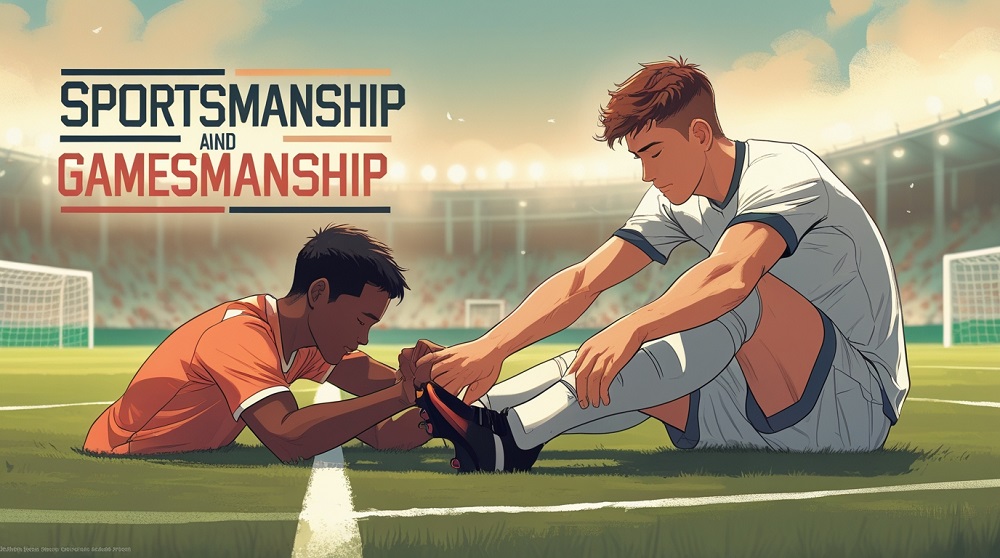
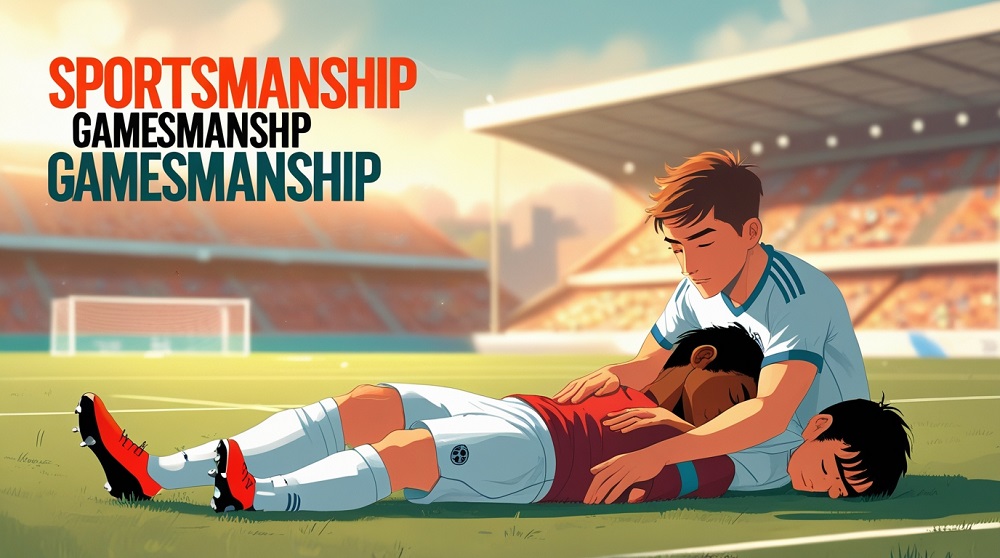
- A basketball player helps an opponent from the other team to their feet after a hard fall.
- A soccer player admits to the referee that the ball touched their hand, even if no one else saw it, leading to a free kick for the other team.
- At the end of a tough match, competitors hug, swap jerseys, or offer sincere words of respect.
Examples of Gamesmanship:
- In football, a defender pretends to be seriously injured to stop the game when the opposing team has a fast-paced advantage.
- In baseball, a runner on second base tries to peek at the catcher’s hand signals and relay them to the batter.
- In online video games, “stream sniping” – where a player watches an opponent’s live stream to know their location – is a clear act of gamesmanship.
These examples show that the concept of Sportsmanship Vs Gamesmanship is not just for professional athletes. It applies to weekend tennis, online chess, and schoolyard games. The choice between the two paths is one every player makes.

The Psychological Impact: How These Choices Affect Players
Choosing between sportsmanship and gamesmanship does something to the people involved. When a player acts with sportsmanship, they often feel pride and self-respect. They build a reputation as someone trustworthy and honorable. This builds a positive community where everyone enjoys the game more, even when they lose.
Gamesmanship has a different effect. It might lead to a short-term win, but it can create guilt, anxiety, and a negative reputation. Other players may not want to play with someone known for tricky tactics. The focus shifts from skill and fun to manipulation and suspicion.
For young players, understanding the concept of Sportsmanship Vs Gamesmanship is crucial for their emotional development. Learning to lose with grace builds resilience. Learning to win with kindness builds leadership.
The mental effects spread to fans and children watching. They copy what they see. When a famous athlete acts with grace, it teaches millions a good lesson. When they use gamesmanship, it sends a message that winning is the only thing that matters.
The Role of Coaches, Parents, and Officials in Shaping Behavior
Adults have a huge responsibility in teaching the concept of Sportsmanship Vs Gamesmanship. A coach who yells at referees and encourages “bending the rules” teaches gamesmanship. A coach who emphasizes effort, respect, and rule-following teaches sportsmanship.
- Coaches should reward hard work and teamwork, not just points on the scoreboard.
- Parents should cheer for good plays from both teams and avoid putting excessive pressure on their children to win.
- Officials and referees must enforce rules fairly and consistently. They also need to watch for and discourage acts of gamesmanship that poison the game’s spirit.
When adults model and demand sportsmanship, young players learn that their character is part of their performance. They learn that the concept of “sportsmanship” versus gamesmanship is a choice that defines them, not just a strategy for a trophy.
Navigating the Gray Areas: When Does Competition Become Gamesmanship?
Some situations are not clear black and white. Is strategic fouling in basketball gamesmanship or smart play? Is a cricketer standing their ground when they know they hit the ball wrong? These gray areas are where the concept of “sportsmanship” versus gamesmanship gets most interesting.
A helpful question to ask is: “Does this action respect my opponent and the game?” If the answer is no, it likely leans toward gamesmanship. Another question is: “Would I be upset if someone did this to me?” This “golden rule” of competition is a simple but powerful guide. The gray areas test our personal ethics. Discussing these tricky situations openly helps everyone develop a stronger sense of fair play.
Cultivating a Culture of Sportsmanship in Teams and Leagues
Building a culture that values sportsmanship takes work. It does not happen by accident. Teams and leagues can actively promote it.
- Create a Team Charter: Teams can write down their core values, like respect, integrity, and effort.
- Recognize Good Sports: Give awards for “Best Sport” or “Most Respectful Player” at the end of a season.
- Lead by Example: Captains and star players should always demonstrate respectful behavior.
- Have Discussions: Talk about the concept of Sportsmanship Vs Gamesmanship as a team after seeing examples in professional sports.
This kind of culture makes playing more enjoyable for everyone. It reduces anger and conflict. It builds teams where players trust each other. Ultimately, it makes the game better.
Final Thoughts: Why This Discussion Matters for the Future of Play
The concept of Sportsmanship Vs Gamesmanship is more than an old-fashioned idea. It is a necessary framework for how we compete in a connected world. As esports grow and online play becomes normal, the choices we make in digital spaces matter just as much as on physical fields.
Choosing sportsmanship protects the joy, fairness, and community that make games worth playing. It ensures that winning feels good because it was earned with skill and heart, not tricks and deception. The true victory is in loving the game and honoring everyone who plays it.
Frequently Asked Questions (FAQs)
1. Can gamesmanship ever be acceptable?
Some people believe certain mild forms of gamesmanship are part of a competitive mind. However, most agree that any action meant to deceive, disrespect, or gain an unfair psychological edge moves away from true competition and toward poor ethics.
2. How do I respond to an opponent who uses gamesmanship?
Stay calm and focused on your own performance. Do not copy their behavior. The best response is often to play harder and fairer. You can also report clear violations to an official or moderator. Let your own good conduct be your statement.
3. Does sportsmanship mean I shouldn’t try hard to win?
Absolutely not. Sportsmanship and fierce competition can exist together. You can play with maximum effort, intensity, and a strong desire to win while still respecting rules, officials, and opponents. The goal is to win the right way.
4. How can I teach my child about this concept?
Focus on praising effort and attitude over winning. Point out examples of good and bad behavior in games you watch together. Ask them questions like, “How would you feel if that happened to you?” Make sure your own reactions during their games model the behavior you want to see.
5. Is gamesmanship the same as cheating?
Not exactly. Cheating is breaking a written rule. Gamesmanship often works within the technical rules but against their spirit. Both are problematic, but cheating usually has a clearer punishment. Gamesmanship is more about ethics and the health of the game.